
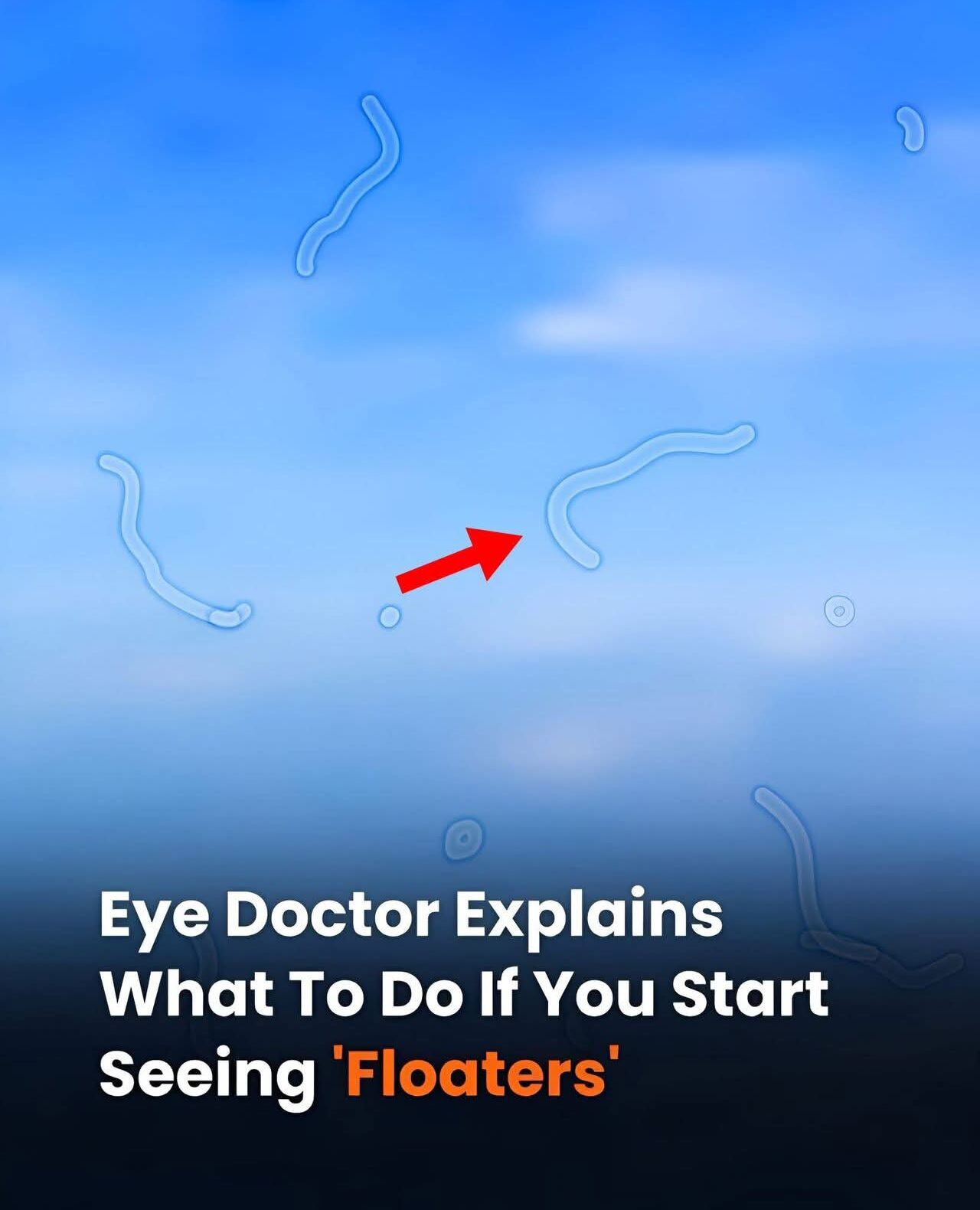
While aging is the most common cause, there are other reasons why someone might see floaters. These can include:
Posterior Vitreous Detachment (PVD): This is a very common condition where the vitreous gel pulls away from the retina. It often happens in middle-aged and older adults and can cause a sudden increase in floaters.
Eye Injuries: A direct blow to the eye can sometimes cause floaters.
Inflammation or Infection: Conditions like uveitis, which is inflammation in the eye, can release cells that appear as floaters.
Nearsightedness: People who are very nearsighted are more likely to experience floaters earlier in life.
When Should You Be Concerned?
While most floaters are harmless, it’s important to know the warning signs of a more serious problem. A sudden increase in floaters, especially if it’s accompanied by other symptoms, requires immediate medical attention.
“If you start seeing a sudden shower of new floaters, or if you also see flashes of light, you should see an eye doctor right away,” advises a leading ophthalmologist.
This combination of symptoms—a sudden increase in floaters and flashes of light—can sometimes be a sign of a retinal tear or a retinal detachment. A retinal detachment is a serious condition where the retina pulls away from the back of the eye. It is a medical emergency and needs to be treated quickly to prevent permanent vision loss.
What to Do If You Start Seeing Floaters
If you notice a few floaters, there’s usually no need to panic. The best thing to do is simply observe them. They often become less noticeable over time as your brain learns to ignore them.
However, if you experience any of the following, it’s crucial to schedule an appointment with your eye doctor:
A sudden and significant increase in the number of floaters.
Flashes of light in one or both eyes.
A “curtain” or “shadow” that seems to be blocking part of your vision.
Your eye doctor can perform a comprehensive eye exam, including a dilated eye exam, to get a clear view of the inside of your eye and determine the cause of your floaters. They can then advise you on whether any treatment is needed or if it’s simply a normal part of aging. Remember, when it comes to your eyesight, it’s always better to be safe than sorry.
ADVERTISEMENT

