
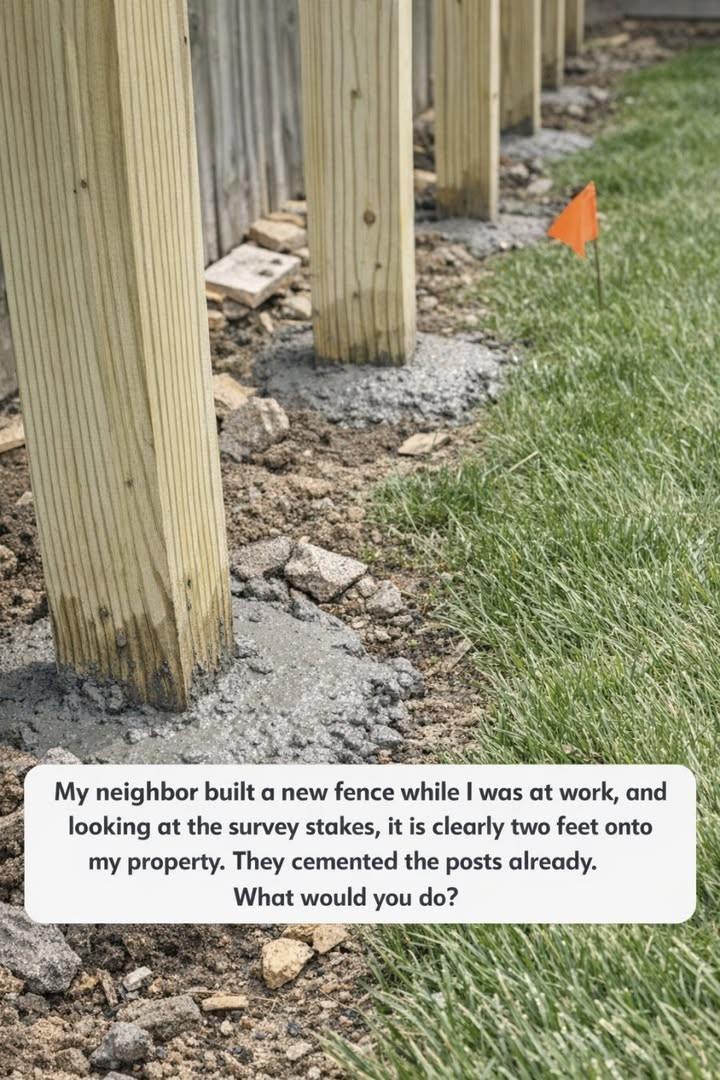
3. Talk Calmly With Your Neighbor Before You Escalate
Approach your neighbor for a calm and open conversation about the situation. It’s possible that they may not be aware of the encroachment. Choose a time to talk when you’re both relaxed and unlikely to be interrupted.
Present your findings politely, including the photos and any measurements, and express your concerns. Many disputes can be resolved amicably through honest communication, and your neighbor might be willing to make adjustments once they understand the issue.
4. Send a Polite but Formal Written Notice
If talking doesn’t resolve the issue, or if you prefer formal communication from the start, consider sending a written notice. This letter should be polite but firm, outlining the problem and referencing your evidence, such as surveys and photographs.
Request a response within a reasonable timeframe and suggest a meeting to discuss possible solutions. Keeping a written record of all communications will be valuable if the situation escalates.
5. Check Local Zoning, Fence, and Encroachment Laws
Familiarize yourself with local zoning regulations and property laws that pertain to fence installations and property encroachments. These laws vary significantly by location and can influence how disputes are resolved.
Contact your local municipality or zoning office to inquire about specific rules that apply. Understanding these regulations will help you determine whether your neighbor has violated any laws and what remedies might be available to you.
6. Bring In a Licensed Surveyor If There’s Any Doubt
If there are discrepancies between your records and your neighbor’s claims, it may be time to hire a licensed surveyor. A professional surveyor can provide an unbiased and accurate assessment of the property boundaries.
This step is particularly important if your neighbor disputes your claims or has their own set of documents. A surveyor’s report can serve as authoritative evidence if legal action becomes necessary.
7. Involve an HOA, Mediator, or Community Board if Available
If you live in a community with a Homeowners Association (HOA) or a community board, bring the issue to their attention. HOAs often have rules about property boundaries and construction that can aid in resolving disputes.
Alternatively, consider hiring a professional mediator. Mediators specialize in resolving disputes through negotiation and can help both parties come to a mutually acceptable agreement without the need for legal action.
For Complete Cooking STEPS Please Head On Over To Next Page Or Open button (>) and don’t forget to SHARE with your Facebook friends
ADVERTISEMENT

