
Why the Pattern, Size, and Spacing of the Holes Matter
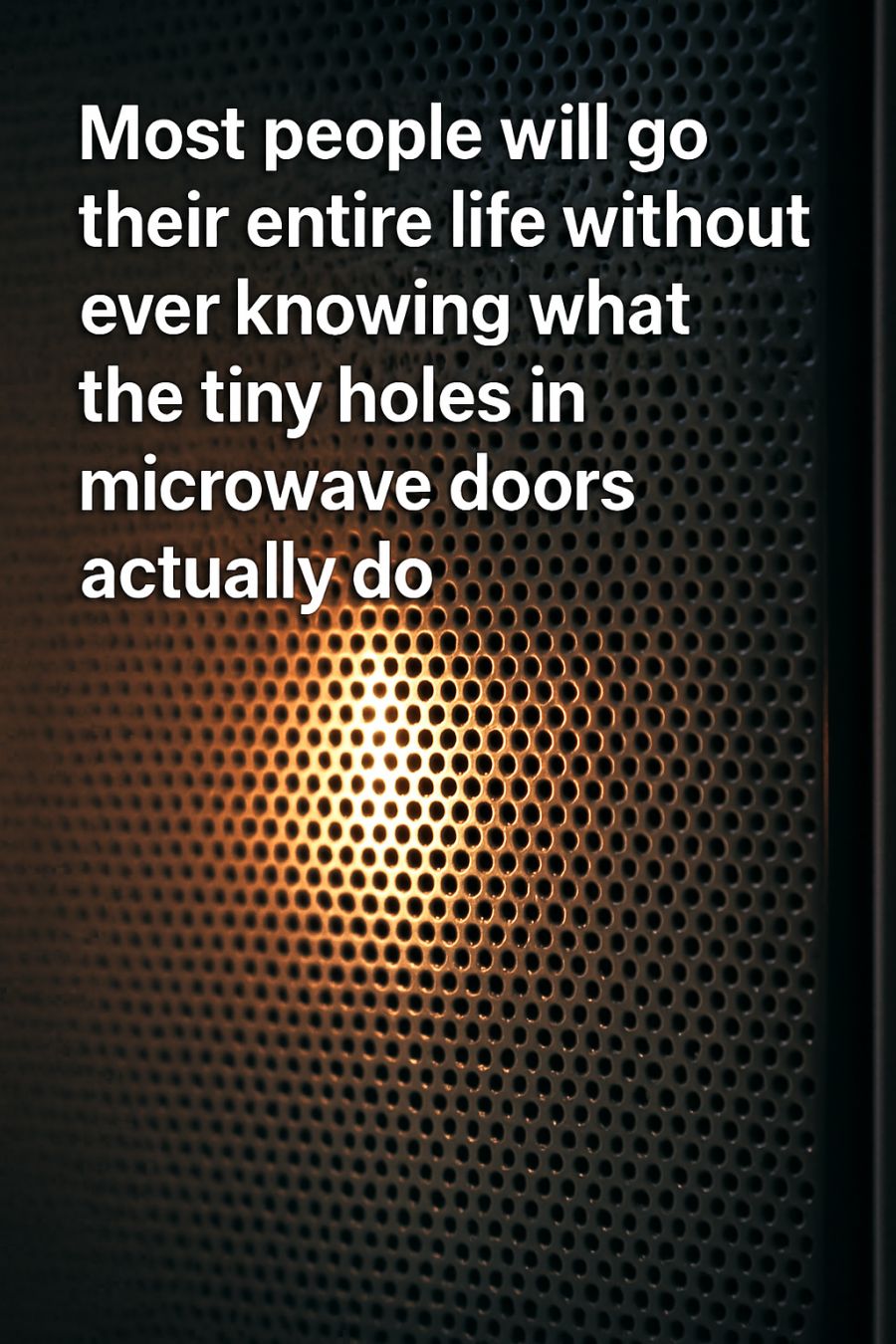
The pattern, size, and spacing of the holes in the microwave door mesh are carefully designed to optimize performance and safety. The holes need to be small enough to block microwaves yet large enough to allow visibility through the door.
Precise engineering ensures that the mesh effectively contains the microwaves while offering a clear view inside the oven. Deviations in hole size or spacing could affect this balance, potentially leading to inefficiencies or safety concerns.
Glass vs. Mesh: How the Door Balances Safety and Visibility
The combination of glass and mesh in a microwave door is a deliberate design choice that balances safety with functionality. The glass provides structural strength and visibility, while the mesh ensures microwave containment.
This design allows users to monitor their food as it cooks without compromising the containment of the microwaves, highlighting the thoughtful engineering that goes into everyday appliances.
Common Myths About Microwave Radiation and the Door Screen
There are many myths surrounding microwave ovens and radiation, often fueled by misunderstanding or misinformation. One common myth is that standing close to a microwave can expose you to harmful radiation, which is false given the safety mechanisms in place.
Another myth is that the door screen is purely decorative, when in fact it plays a crucial role in ensuring safety by preventing microwave leakage. Understanding the science behind these features can dispel these myths.
Viral TikTok and YouTube Hacks That Misuse the Door Mesh
Recent viral trends on platforms like TikTok and YouTube have shown users attempting to modify or misuse their microwaves, sometimes involving the door mesh. These hacks often overlook the safety functions of the mesh, posing potential risks.
It is important for users to understand that tampering with the microwave door or its components can compromise its safety features, leading to potential hazards.
How Manufacturers Test and Certify Door Safety Standards
Manufacturers rigorously test microwave doors to ensure they meet safety standards set by regulatory bodies like the FDA. These tests include ensuring that the mesh effectively contains microwaves and that the door maintains structural integrity under regular use.
Certification processes involve testing for microwave leakage, durability, and the effectiveness of the door seal. These standards are crucial in ensuring that microwaves are safe for household use.
When It’s Time to Replace Your Microwave Door (Or the Whole Oven)
Signs that a microwave door or the entire oven may need replacement include visible damage to the mesh or door, difficulty in closing the door, or unusual noises during operation. A damaged door can lead to microwave leakage, which is a safety hazard.
Regular maintenance checks can help identify issues early, and replacing components or the entire unit when necessary ensures continued safe operation.
Other Everyday Objects That Use the Same Hidden Physics
The principles used in microwave doors are not unique to them; similar physics is applied in other everyday objects. For instance, the mesh shielding on the glass doors of some ovens works on the same principle of blocking radiation while allowing visibility.
Advertisement
Faraday cages are also used in electronic devices to prevent interference, highlighting how the fundamental concepts of electromagnetic shielding permeate various aspects of modern technology.
ADVERTISEMENT

