
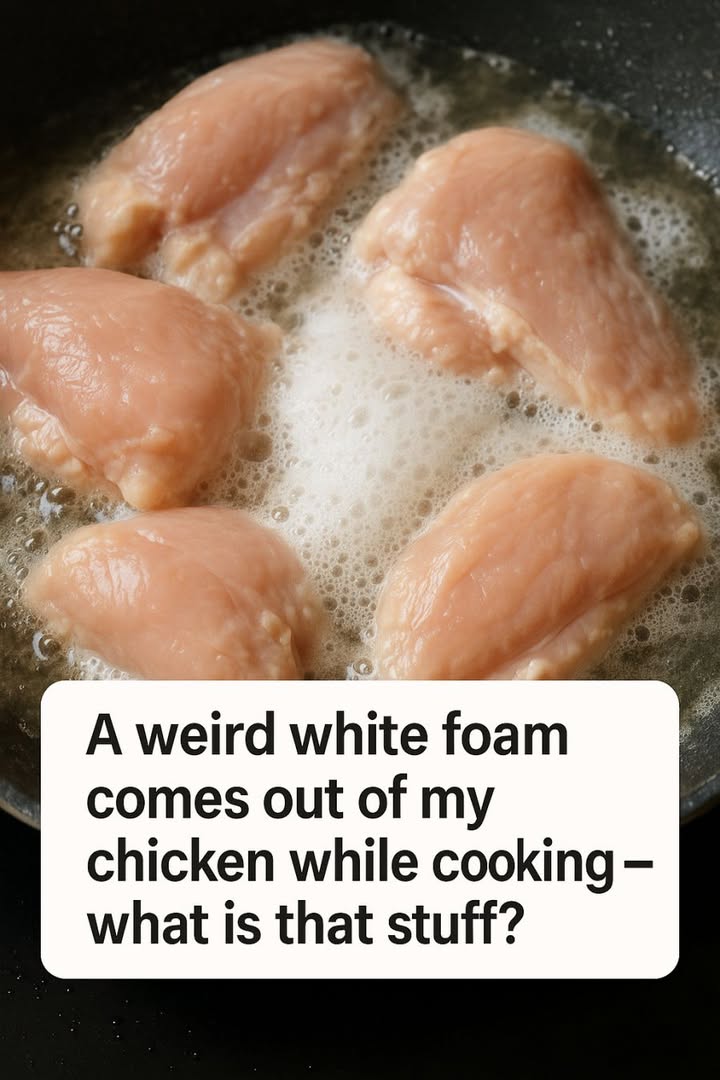
7. How Cooking Methods Change the Amount of Foam You See
Different cooking methods can influence the amount of white foam observed. Boiling or simmering chicken can produce more noticeable foam compared to baking or frying because the proteins are more easily released into the cooking liquid. High-heat methods like grilling or roasting tend to sear the surface proteins, reducing the visibility of foam. The key is to choose a cooking method that aligns with your desired outcome in terms of flavor and presentation.
8. The Role of Brines, Marinades, and Added Water in Extra Foam
Brining or marinating chicken can increase the amount of white foam, as these processes introduce additional water and dissolve more proteins into the meat. When chicken is treated with a brine, it absorbs extra moisture, which can then be expelled during cooking along with the natural juices. Similarly, commercially processed chicken often includes added water to enhance juiciness, contributing to more foam during cooking.
9. Why Crowded Pans and Low Heat Make the Foam Look Worse
Cooking chicken in a crowded pan can exacerbate the appearance of white foam. When the pan is overcrowded, the chicken pieces release moisture that doesn’t evaporate quickly, allowing the foam to accumulate. Low heat settings extend the cooking time, giving more opportunity for proteins to dissolve and form foam. To minimize foam, avoid overcrowding the pan and use higher heat to encourage evaporation and browning.
10. Chef Tricks to Reduce or Prevent White Foam on Chicken
To reduce the formation of white foam, pat the chicken dry before cooking to remove surface moisture. Using higher heat initially can help sear the proteins and reduce their release into the cooking liquid. Additionally, ensuring the pan is hot before adding the chicken can prevent excess moisture accumulation. Some chefs also recommend using a gentle simmer rather than a vigorous boil to limit foam formation when poaching chicken.
11. Viral TikTok Hacks for ‘Foam-Free’ Chicken — Do They Work?
Various TikTok hacks claim to reduce or eliminate white foam when cooking chicken, such as adding vinegar or baking soda to the cooking water. While these methods might have some effect on foam formation by altering the pH or coagulation properties of the proteins, their effectiveness varies. It’s important to use these hacks with caution, as they can also affect the flavor and texture of the chicken. Always test on a small batch to see if the results meet your expectations.
12. When the White Stuff Isn’t Just Albumin: Signs to Watch For
While the white foam is generally harmless, it’s crucial to be aware of other signs that might indicate spoilage or contamination. If the foam is accompanied by an unusual odor, slimy texture, or greenish hue, it could be a sign of bacterial growth or spoilage. Always inspect your chicken before cooking and discard it if any of these signs are present, regardless of the foam.
Advertisement
13. What the Foam Tells You About Doneness, Juiciness, and Texture
The presence of white foam can provide some insight into the doneness and texture of the chicken. As the chicken cooks and releases proteins, it indicates that heat is penetrating the meat. However, excessive foam might suggest overcooking, which can result in dry, tough chicken. Monitoring the foam can help you gauge the cooking progress, but it’s always best to use a meat thermometer to ensure the chicken reaches a safe internal temperature of 165°F (74°C) while maintaining juiciness.
ADVERTISEMENT

