
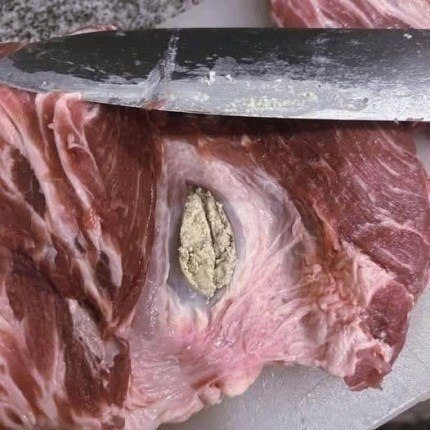
There’s something deeply satisfying about starting a recipe from scratch—especially when it involves grinding your own meat. Today, I bought a pork shoulder from Walmart with one clear plan in mind: to grind it myself for a homemade recipe. What began as a simple grocery trip turned into a deeper appreciation for why pork shoulder is one of the best cuts for grinding, how to prepare it properly, and what makes freshly ground pork so much better than store-bought packages.
Discover more
Sausage
beef
sausages
Today I bought a pork shoulder from Walmart, planning to grind it for a recipe.
Today I Bought a Pork Shoulder from Walmart, Planning to Grind It for a Recipe
There’s something deeply satisfying about starting a recipe from scratch—especially when it involves grinding your own meat. Today, I bought a pork shoulder from Walmart with one clear plan in mind: to grind it myself for a homemade recipe. What began as a simple grocery trip turned into a deeper appreciation for why pork shoulder is one of the best cuts for grinding, how to prepare it properly, and what makes freshly ground pork so much better than store-bought packages.
Discover more
drink
garlic
Garlic
If you’ve ever considered grinding your own meat but weren’t sure where to start, this detailed guide will walk you through everything—from choosing the cut to seasoning, food safety, and recipe ideas.Groceries
Why Pork Shoulder?
When it comes to grinding pork, the cut matters. Pork shoulder (also known as pork butt or Boston butt) is ideal because of its fat-to-meat ratio.
The Perfect Balance
Pork shoulder typically contains about 20–30% fat. That fat content is important because:
It keeps ground meat moist.
It adds rich flavor.
It prevents dryness when cooking.
It binds well for sausages and patties.
Lean cuts like pork loin may seem healthier, but when ground, they can turn dry and crumbly.
What Is Pork Shoulder?
Pork shoulder comes from the upper front leg of the pig. Despite the name “Boston butt,” it’s not from the rear. It’s a well-exercised muscle, which gives it:
Deep flavor
Strong connective tissue
Excellent texture when ground
This cut is commonly used for pulled pork, carnitas, and slow roasting—but it’s equally excellent for grinding.
Why Grind It Yourself?
Many people buy pre-ground pork without thinking twice. But grinding your own offers several advantages.
1. Better Flavor
Freshly ground pork tastes noticeably richer. When meat is ground at the store, it’s often processed in large batches and may sit packaged for days.
2. Full Control Over Fat Content
By trimming the pork shoulder yourself, you control:
How much fat stays in
The texture of the grind
The quality of the meat
You can leave more fat for sausage or trim slightly for dumplings.
see next
ADVERTISEMENT

