
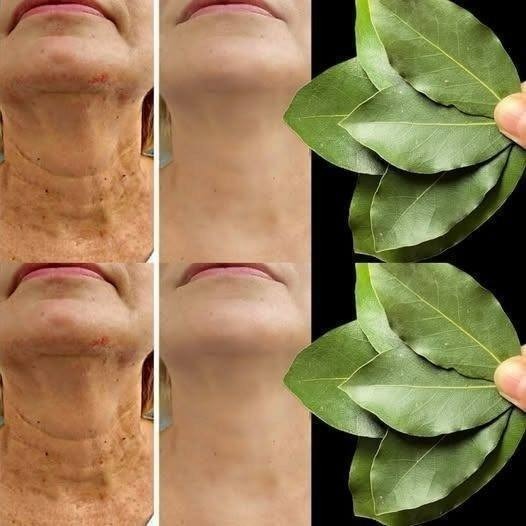
You know bay leaves as the quiet flavor boost in soups, stews, and sauces — removed before eating, but essential for depth.
But did you know they’ve also been used in traditional medicine for their antioxidant and anti-inflammatory properties?
Rich in compounds like eugenol, quercetin, and catechins, bay leaves have shown promise in lab studies for fighting oxidative stress — one of the contributors to skin aging.
So… can they really replace Botox?
 No.
No.
But might they play a small supporting role in a natural skincare routine?
Possibly — when used wisely.
Let’s explore what science actually says about bay leaves and skin health — so you can separate myth from mild benefit.
Because real wellness isn’t about viral headlines.
It’s about realistic expectations, gentle care, and knowing what works — and what doesn’t.
 What’s in Bay Leaves That Might Help Skin?

Eugenol
Antioxidant and antimicrobial; studied for wound healing and pain relief
Quercetin
Flavonoid that fights free radicals and may protect collagen
Catechins
Also found in green tea; linked to UV protection and reduced inflammation
 These are promising in test tubes — but human skin studies are lacking.There is no clinical evidence that bay leaf applications reduce wrinkles, tighten skin, or relax facial muscles like Botox.
Possible Ways Bay Leaves Could Support Skin (With Realistic Expectations)
1. As a Soothing Toner (For Oily or Acne-Prone Skin)
ADVERTISEMENT

